
Trade page · For working DR copywriters
White-label book design. Your client, your price, your name on it.
You buy the book project at a trade rate and resell it at your price. I hit the deadline and I never touch a word.
Davide Filippini · 13 years in graphic design, 9 in direct response, 400+ campaigns shipped.
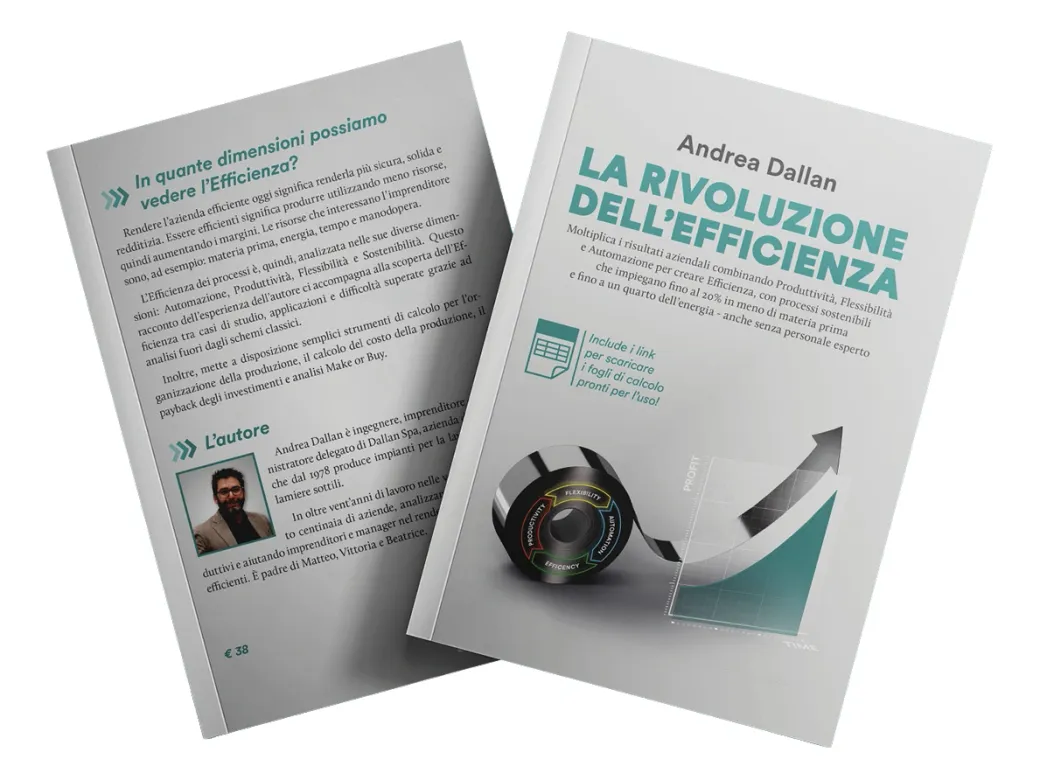

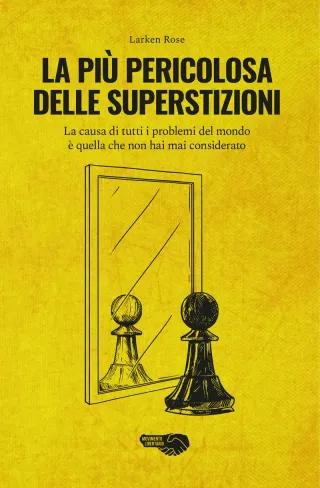
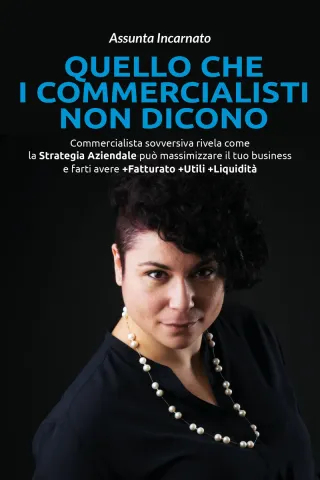
Where the book job goes today.
-
You can write the whole book. The second it needs a cover you're out of the room, and the money walks out with you.
-
The last designer “improved” your copy on a landing page. On a 200-page interior, you'd never even know what he changed.
-
You've referred clients to a designer before. He got the invoice. You got a thank-you note.
The deal, numbers first.
You buy the book project from Keryx at the partner rate and sell it to your client at yours. Your invoice, your name on the credits, white label written into the contract. Keryx bills you and never contacts your client.
| Package | Partner rate | Public list | Difference |
|---|---|---|---|
| Two formats: Kindle + paperback | $1,600 | $2,050 | +$450 |
| Three formats: + hardcover | $1,850 | $2,400 | +$550 |
| Advertised price: never below public list. Why that protects you: next section. | |||
Two formats: Kindle + paperback
Three formats: + hardcover
Advertised price: never below public list. Why that protects you: next section.
+$450
The difference in the table is the floor. The book ships inside your own offer, at your offer's price, and the client stays yours.
Launch pricing ends for the public on August 31 and the list goes up. From September 1, the partner rate stays at these numbers.
If your client ever finds this page, nothing breaks.
This is a trade rate, the kind every industry runs on: printers and distributors buy at prices the end buyer never pays. It's reserved for qualified partners who bring volume and manage their own client.
An author who walks in directly pays public list. Always.
Your client buys your package: positioning, manuscript, launch, a finished book. You set that price.
And the advertised-price rule closes the loop: no partner promotes this work below public list, so the only number a client can ever find is the full one.
One rule, in writing.
The final manuscript you hand me is the manuscript that goes to print. No silent fixes, no designer improvements.
I hit the deadline and I never touch a word.
Cover and interior ship in 2 to 3 weeks from final manuscript, ready for KDP. Changes after handoff have listed prices, announced before I start. No surprises on anyone's invoice.
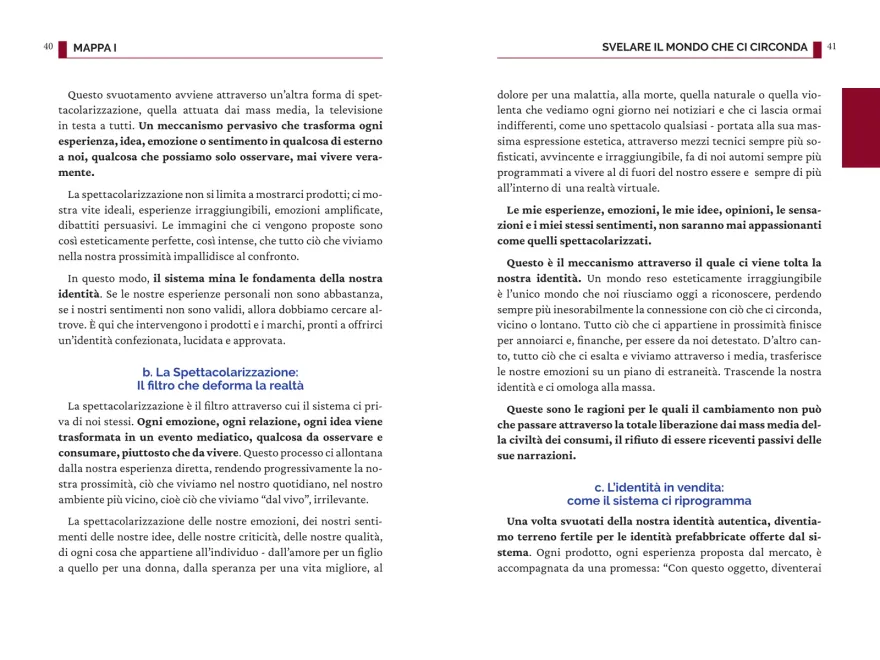
The proof is who comes back.
2,500
copies sold, and five years on the book is calling for a second edition.
A publisher entrusted the studio with the entire Istituto Liberale series: years of work, every cover from one hand.
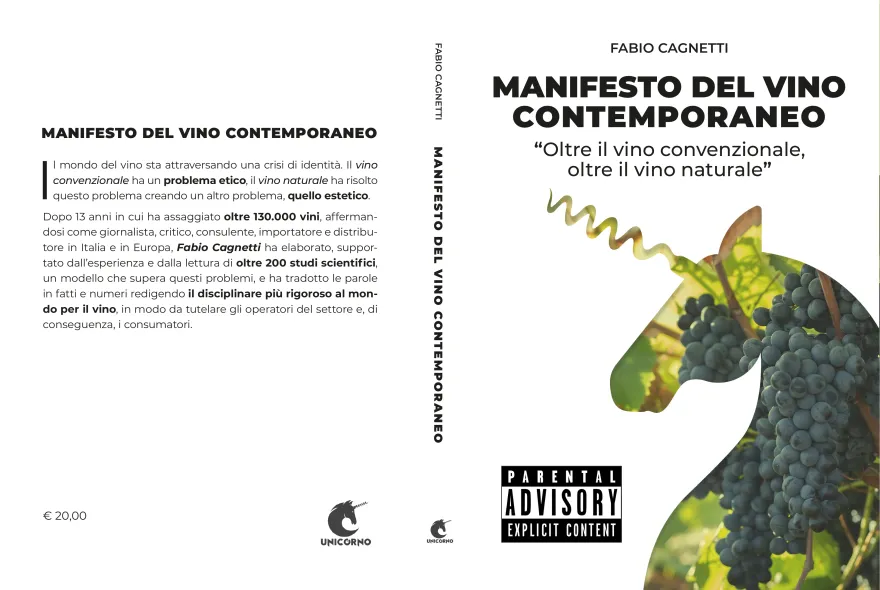
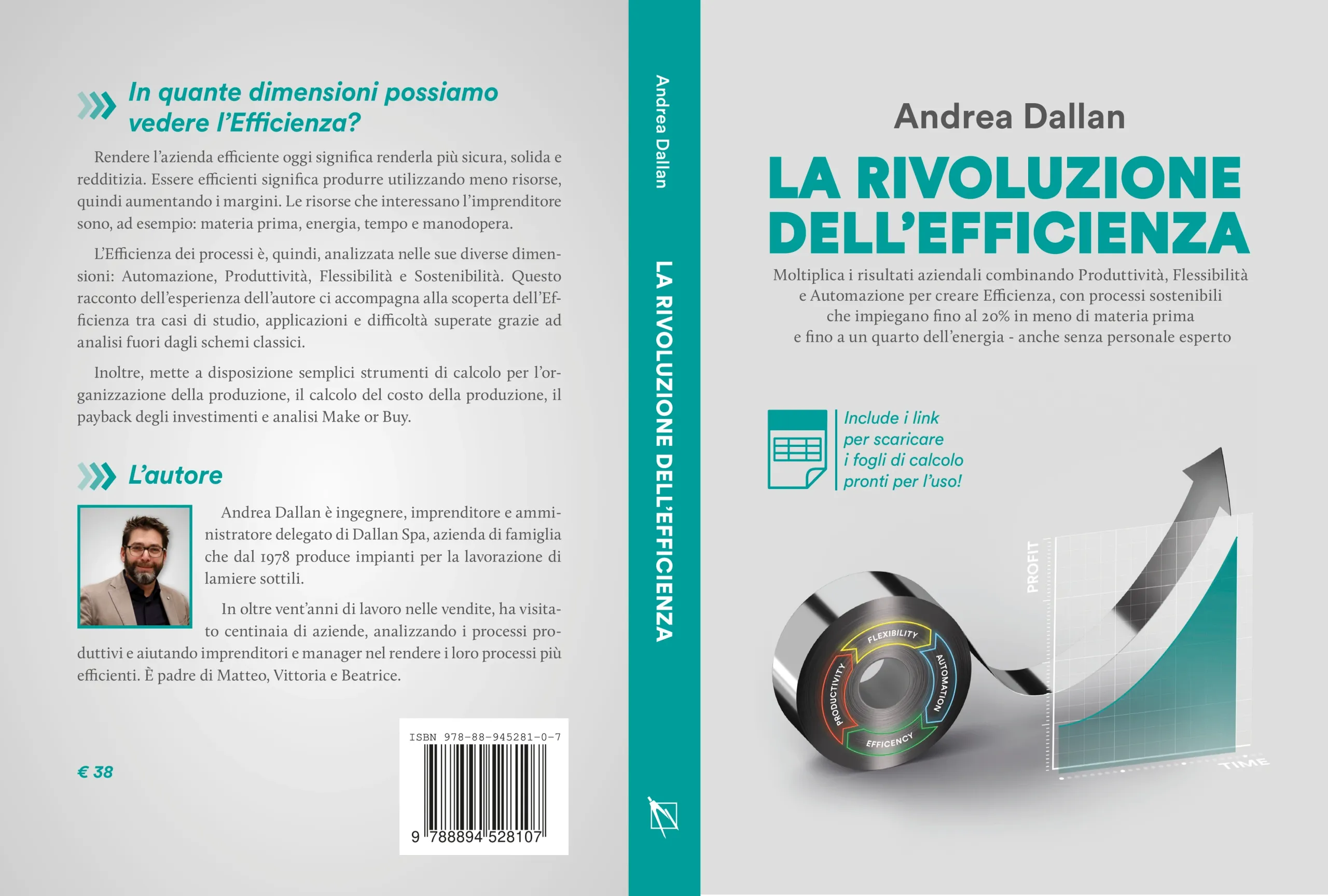
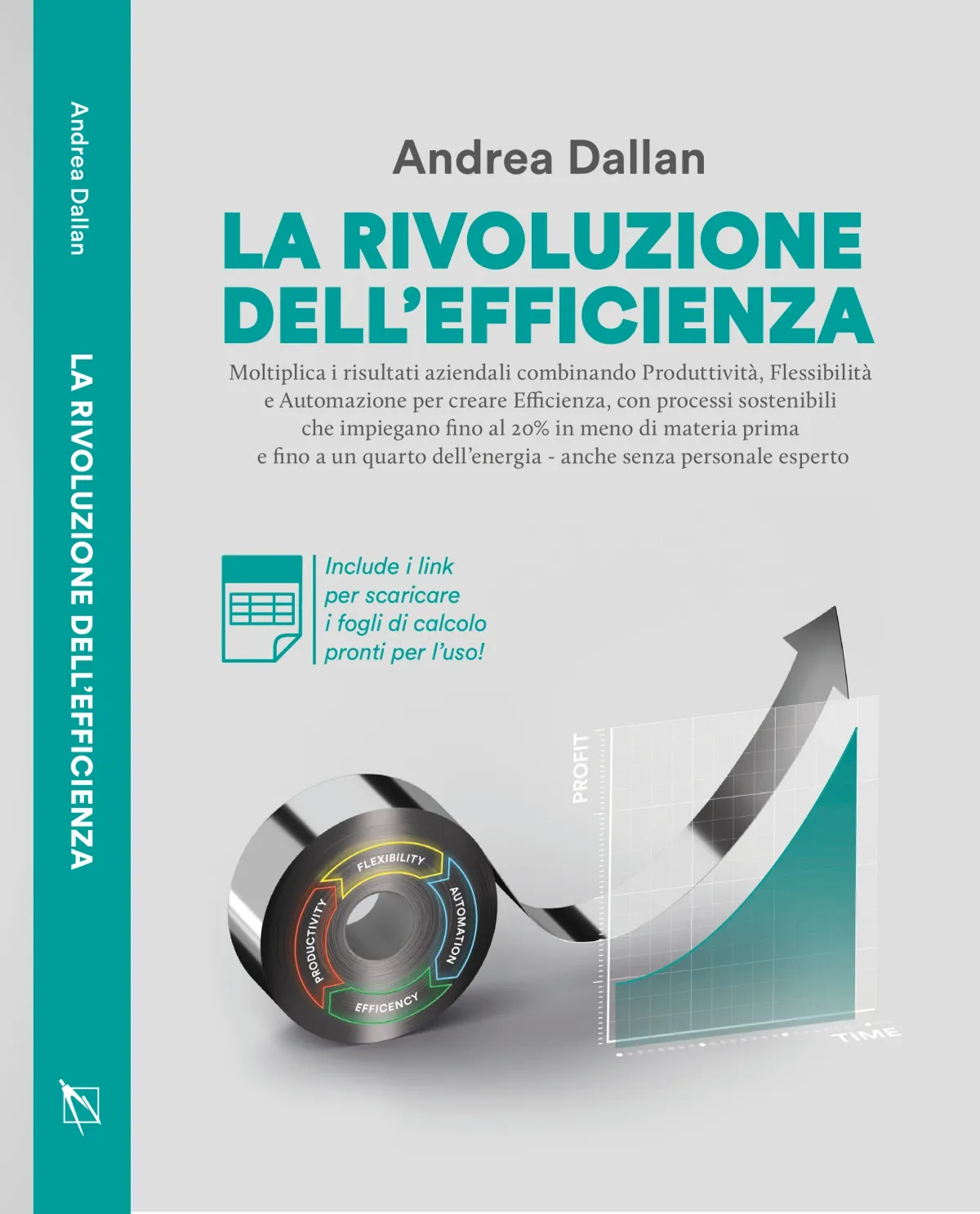
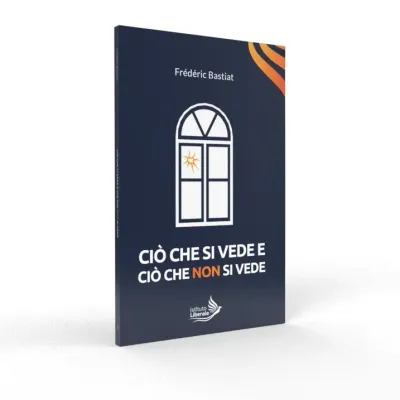
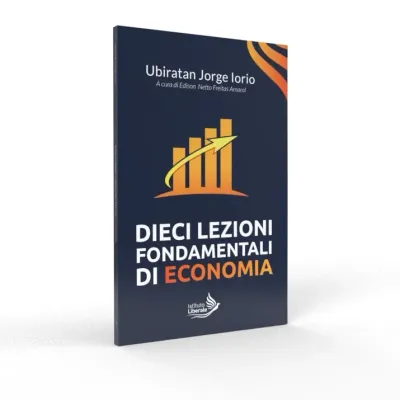

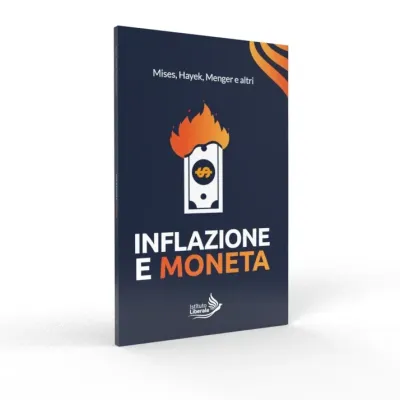
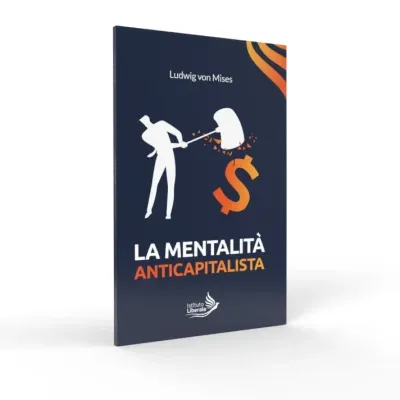
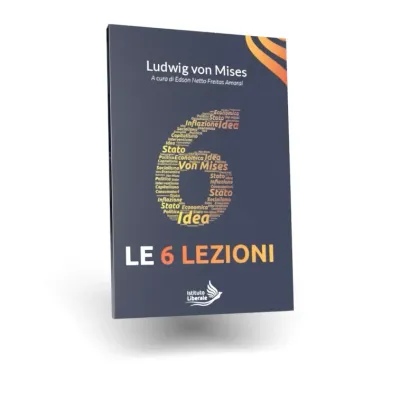


Istituto Liberale · complete series design
“I can say with absolute confidence that he's the only designer in Italy I trust to handle my clients' visuals. His ability to turn my ideas into powerful images and elevate my words is flawless.”

Daniel Porro
Senior Copywriter
Partner status is earned on a live project.
- 1.
First project at public rates, paid 100% upfront. The partner rate is earned with one project delivered and paid, on a real client.
- 2.
From the second order: partner rate, paid 50/50.
- 3.
Framework contract in writing: white label, advertised-price rule, mutual non-circumvention for 12 months. Your client who contacts Keryx gets sent back to you.
- 4.
Six months without an order and the rate sleeps. One project at public rates wakes it up.
5
Five founding partners, then the list closes. Keryx is one designer: every book crosses my desk, and five partners is what the calendar holds without missing a deadline.
The fine print, in plain words.
Does Keryx ever talk to my client?
No. You're the single interface: brief and approvals go through you. The contract binds both sides for 12 months: if your client contacts Keryx, he gets sent back to you, and you don't take Keryx files to another studio.
What counts as a final manuscript?
A text you've signed off in writing, checked against a short ready-to-ship list I send before we start. Changes after that point are extra rounds with listed prices, announced before any work begins.
How many revision rounds are included?
The project moves in phases, each closed with your written ok. Before the full interior is laid out, you see the cover concept in two directions and a sample of the page grid. Every approval phase includes two consolidated revision rounds. Beyond that, extra rounds at listed prices, announced before the work starts.
Why only the two larger packages?
The one-format package and à la carte work stay at public rates: below that, a trade rate leaves nothing to run the project on. Upgrading from two formats to three mid-project is fine, at partner terms.
What shows up in your portfolio?
Anonymized work only: sector, format, before and after. Never your client's name. Your name appears only with your written ok. This clause is in the contract and it's not negotiable.
Can I charge less than your public list?
Privately, you price as you like. In advertising, no partner promotes this work below public list. That's the advertised-price rule, and it protects your pricing as much as mine.
If you write long-form DR and a client has already asked you for the book, write me three lines. I answer personally, and if it's not a fit I'll tell you that fast.

Davide Filippini · Keryx Design
No project on the table yet? Keep the page. When you write, I'll tell you straight how many of the five slots are left.